
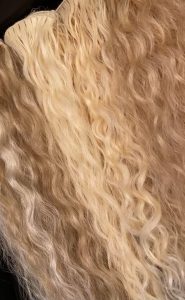
In a perfect world, our hair would naturally grow long, thick, and beautiful without any extra help. But for many of us, achieving that dream hair requires a bit of assistance—and that’s where hair extensions come into play. Whether you want to add length, volume, or both, hair extensions are a fantastic solution. However, color matching your extensions to your natural hair is crucial to achieving a seamless, natural look. Just like texture matching, getting the right color match is key to making your extensions blend flawlessly.
Why Color Matching Matters
The importance of color matching hair extensions cannot be overstated. Even a slight variation between your natural hair and the extensions can make them noticeable, defeating the purpose of using extensions in the first place. When the color and texture blend perfectly, the extensions become virtually undetectable, allowing you to enjoy the added length and volume without anyone being the wiser. However, if the color is off—even slightly—the extensions will stand out, drawing attention and ruining the illusion of naturally long hair.
Let’s dive into how professional extension artists achieve the perfect color match, focusing specifically on hand-tied hair extensions. This meticulous process involves evaluating three key aspects of the client’s natural hair:
- Overall color
- The color of the ends
- The root color below the occipital bone
Step 1: Assessing the Overall Color
The first step in color matching hair extensions is evaluating the client’s overall hair color. This gives the stylist a starting point for the matching process. It’s essential to determine whether the hair is a solid color or features highlights, balayage, or a lived-in look.
A solid, uniform hair color is relatively straightforward to match. However, multi-tonal colors present more of a challenge—and more opportunity for creativity. For a truly natural-looking result, most professionals use a combination of at least two to three different shades. This multi-shade approach mimics the natural variations in hair, ensuring that the extensions blend seamlessly.
Step 2: Evaluating the Ends
Once the overall color is established, the next step is examining the color of the ends. Hair ends are often lighter than the roots and mid-lengths, especially if exposed to sunlight or heat styling. This lighter shade plays a significant role in achieving a natural blend.
A good practice is to pair this lighter color with a secondary, complementary color—typically one that’s slightly warmer. Why warmer? Natural hair tends to lighten towards warmer tones rather than cooler ones. Understanding this subtle yet significant detail is crucial for ensuring the extensions match the highlights or balayage of the client’s natural hair.
This approach creates a harmonious transition from natural hair to extensions, ensuring that the extensions match both the overall color and the gradient of shades that occur naturally.
Step 3: Identifying the Root Color Below the Occipital Bone
Finally, professionals focus on the root color below the occipital bone—the area at the back of the head, just above the neck. This is where the true root color is most evident, unaffected by sun exposure or styling.
Matching this root color is vital because it will be glaringly obvious if the extension roots don’t align with the natural roots. To find the exact match, the stylist will separate the hair at the nape of the neck and use a level finder to determine the root color. They’ll also assess whether the root tone is cool or warm, which helps create the perfect root tone for the custom-colored hand-tied wefts.
Ensuring the root color is a perfect match results in a more natural-looking install where the extensions blend flawlessly with the natural hair, even as it moves or is styled.
Crafting a Multi-Dimensional Blend
For a compelling and natural color match, a professional will create a color blend with a background color matching the client’s natural hair, a lowlight to add depth, and a highlighted piece to create dimension. This multi-dimensional approach makes the extensions look natural and adds richness and texture to the overall hairstyle.
The stylist will also consider what the client wants to accentuate. For instance, if the client has a “money piece”—a highlighted section of hair around the face—the stylist will ensure the extensions complement and enhance this feature. The goal is to blend the extensions so seamlessly that they not only match but also improve the client’s natural hair.
Matching Colors for Clients Who Frequently Change Their Hair Color
One common concern among clients is how to match extensions for those who frequently change their hair color. The best approach in such cases is to start with lighter shades for the extensions. This is because it’s easier to darken extensions than to lighten them. Attempting to lighten extensions with bleach or other lighteners can compromise the integrity of the hair, leading to damage and a less natural appearance.
By starting with lighter shades, the extensions can be dyed to match darker hair colors as the client changes their look, without risking damage to the extensions.
Tools for Accurate Color Matching
Professionals rely on the color ring provided by the extension brand to achieve precise color matching. This tool offers an accurate representation of available colors. It helps the stylist make informed decisions when selecting the right shades for the client. The color ring is essential to the process, ensuring the selected extensions blend perfectly with the client’s natural hair.
Conclusion
Color matching hair extensions requires a keen eye, a deep understanding of hair color theory, and the right tools. It’s more than just picking a shade that looks close enough—it’s about creating a seamless blend that enhances the client’s natural beauty.
A well-executed color match results in virtually undetectable hair extensions, allowing the client to enjoy the benefits of added length, volume, and fullness without worrying about anyone noticing. Conversely, a poor color match can ruin the look, drawing unwanted attention to the extensions and compromising the overall aesthetic.
Whether you’re a stylist or considering hair extensions for the first time, understanding the importance of color matching is key to achieving that perfect, natural-looking result.